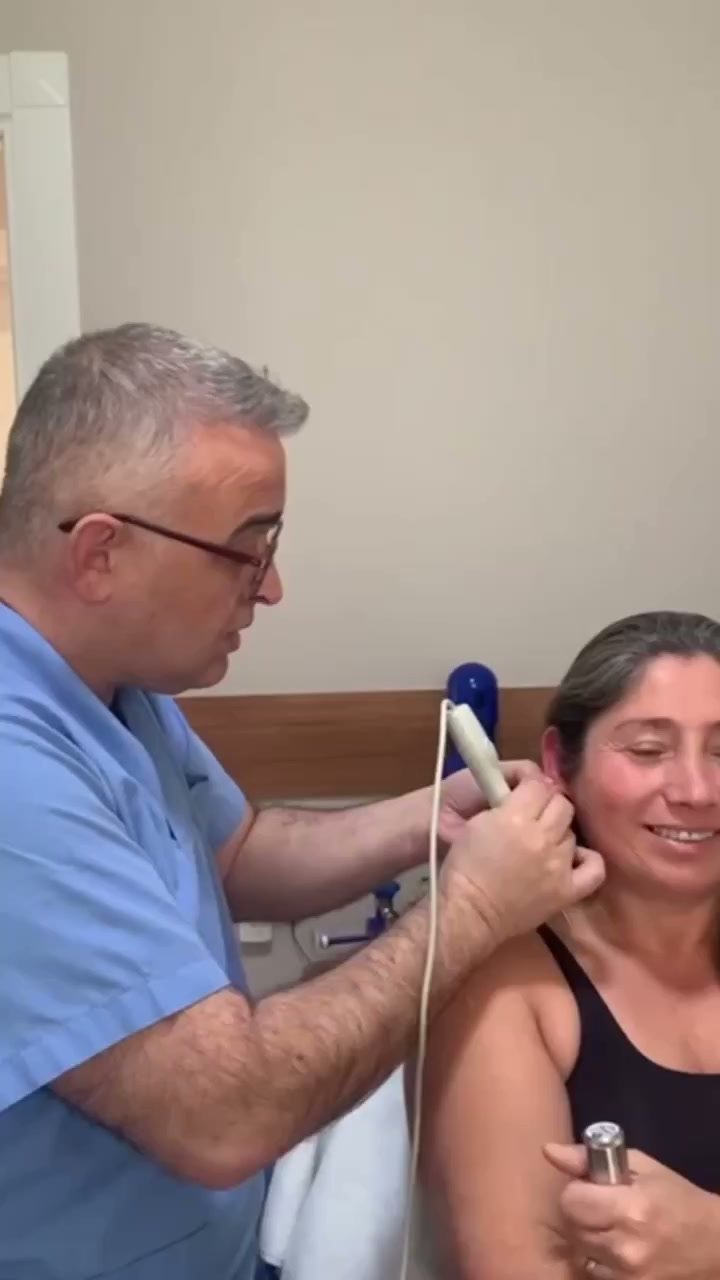
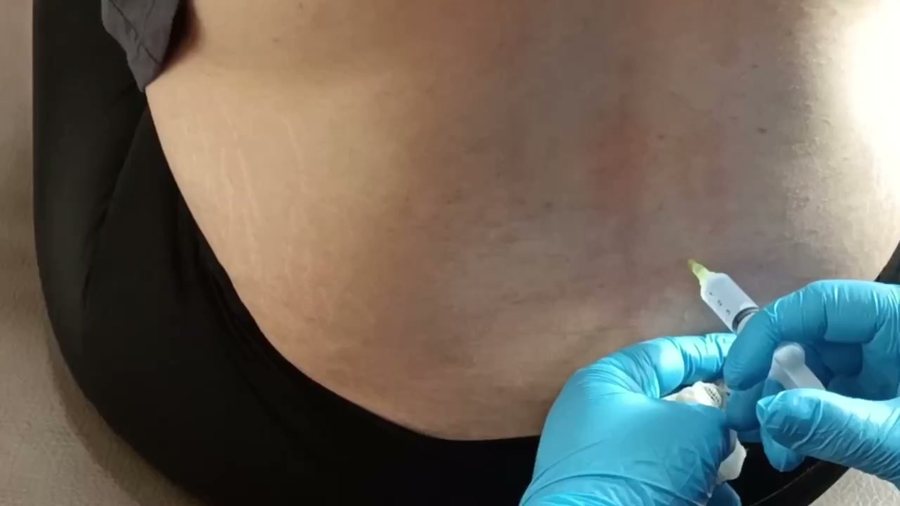
Neural therapy is a medical treatment that involves injecting local anesthetics into specific areas of the body to relieve pain and other symptoms. It is based on the idea that pain and other symptoms can be caused by disturbances in the body's nervous system and that injecting a local anesthetic into the affected area can help the nervous system restore normal function. Neural therapy is often used to treat chronic pain, headaches and other conditions that do not respond to other forms of treatment. It is sometimes used in addition to other forms of treatment, such as physical therapy or medication. Neural therapy is generally considered safe, but like any medical procedure there is a risk of side effects and complications.
History of neural therapy
Neural therapy is the use of local anesthetics to regulate certain areas of the body. In 1881, after local anesthetics were first recognized, this group of drugs was used for minor surgical interventions and nerve blocks. After 1928, the therapeutic effects of local anesthetics began to be noticed in areas further away from the site of administration and related reports began to appear. Reports on the effects and benefits of local anesthetics were published by different independent people, and the development continued with the discovery of different local anesthetic drugs.
In our country, neural therapy was first applied by Prof. Dr. Hüseyin Nazlıkul and Prof. Nazlıkul has provided many physicians with this treatment skill by giving trainings since the first application. Currently, certification trainings are ongoing in Turkey.
Today, neural therapy, whose mechanism of action has been demonstrated by clinical studies, has come to the forefront as a method that can be used both in treatment and preventive medicine.
Mechanism of action of neural therapy
One of the mechanisms involved in the development of disease is poor oxygenation of cells and tissues. This is due to the fact that the nervous system, in response to disease-causing factors, generates impulses around the blood vessels that cause them to constrict and thus not enough oxygen is transported to the tissues. The neural therapy application technique is based on the regulation of this autonomous nervous system.
Another mechanism that explains the mechanism of action of neural therapy is the regulation of nerve conduction throughout the body. The human body is a completely interrelated structure. This relationship is mediated by the neural network called the autonomic nervous system and the membranes we call fascia. Any disruption in any part of these structures causes effects on the entire system. The main goal of neural therapy is to correct the electrical properties of the cells that cause the disruptions and to ensure that the whole system corrects itself. Neural therapy normalizes blood circulation, lymph circulation and neural conduction through these two effects. Thus, when the blood circulation of the tissue increases, its nutrition increases, when the lymph circulation increases, the tissue is cleaned of harmful substances, and when the nerve conduction is regulated, the relevant tissue also works more regularly. Therefore, the self-healing capacity of the tissue that is nourished, cleansed and receives regular commands increases.
Method of application of neural therapy
Although neural therapy is an injection therapy, the expected effect is achieved not from the drug administered, but from the area of application and the regulation created by the drug. Due to all these features, neural therapy contributes to the treatment both in the formation and development stages of the disease. The drug used is definitely not cortisone. It is one of the drugs called local anesthetics used by dentists to numb teeth. These drugs are even further diluted with fluids equivalent to the body fluid called saline. Several techniques are used in the application. The most commonly used technique is subcutaneous application with insulin and mesotherapy needles. Intramuscular, ganglion and intra-articular applications are also available. Although mild pain is felt during the application, the pain disappears immediately since the drug given is already a local anesthetic.
The most commonly used local anesthetics are lidocaine and procaine. Since the duration of action is 2 hours in lidocaine and 30 minutes in procaine, if there are feelings such as numbness after the application, the patient is told that this feeling will end at the end of the effect period. In order for neural therapy to be effective, it is ensured that the medication used does not contain vasoconstrictor drugs (such as adrenaline) that will constrict the surrounding vessels.
Who is neural therapy applied to
Neural therapy can be applied to patients of all ages. Diseases such as blood pressure, diabetes and heart disease are not an obstacle to treatment. Only patients who use blood thinners should be careful in some applications.
For whom neural therapy is not applicable
The effectiveness of neural therapy is low in cases such as advanced arthritis due to congenital hip dislocation where a structural disorder is established, advanced arthritis requiring prosthesis in the knees, intestinal obstruction requiring surgery, appendicitis.
Neural therapy is also not recommended in cases of complete loss of organ function, such as liver failure or renal failure, as the effectiveness of neural therapy is greatly reduced.
Conditions that can occur with neural therapy
Major complications are not expected in neural therapy that is performed with appropriate techniques, carefully and in a competent manner. However, some techniques are not used in patients with bleeding disorders and those who use blood thinners, as bleeding may occur after the application.
Since local anesthetics are used in neural therapy, it is not suitable for patients who are allergic to these drugs. For this reason, it is sufficient to question the patient before the session whether he/she has had dental treatment, whether his/her teeth are numbed during this treatment and whether there is a problem. Since most of our patients have received dental treatment before, this problem can be easily eliminated.
In patients who have undergone cancer surgery and have lymphedema, injection from the arm or leg with lymphedema is prohibited and should not be done or should be done very carefully.
During the application of neural therapy, it is important to follow the rules of asepsis and antisepsis, i.e. to use disposable syringes and syringe tips, and to clean the application sites with alcohol.
How many sessions of neural therapy
It is appropriate to put at least 48 hours between sessions. Although it varies according to the patient, initially treatment is started with 2 sessions per week and then it can be reduced to once a week if necessary. The total number of sessions is also related to the clinical course of the patient. Usually 6 to 12 sessions are sufficient.
Diseases that can be treated with neural therapy
- Migraine and headaches
- Lumbar and neck hernias
- Shoulder pain (impingement syndrome, adhesive capsulitis, calcifications)
- Knee arthritis, meniscus and ligament lesions, knee trauma-related conditions seen in athletes
- Fibromyalgia and other soft tissue rheumatisms (myofascial pain syndrome)
- Chronic fatigue syndrome
- Elbow problems such as tennis elbow, golfer's elbow
- Diseases due to nerve compression (carpal tunnel syndrome, priformis syndrome)
- Facial paralysis
- Trigeminal neuralgia
- Restless leg syndrome
- Circulatory disorders in the legs (vascular occlusions, varicose veins)
- Neuropathic conditions due to diseases such as diabetes, neuropathic pain
- Asthma and allergy conditions
- To strengthen the immune system
- Chronic infection conditions such as chronic sinusitis, chronic otitis
- To relieve both the disease and the pain in shingles
- Infertility
- Bowel diseases (such as irritable colon syndrome, chronic constipation, gas complaints, abdominal pain)
- Depression, anxiety, sleep disorders
- Chronic pelvic pain
- Treatment-resistant and recurrent urinary tract infections and dysuria (burning urine)
- Hormonal diseases (goiter, menopausal complaints, menstrual irregularities)
- Detoxification and antiaging for healthy living
Neural therapy, which has a wide range of uses, is a form of treatment that can be responded to in a short time. It has become one of the recommended forms of treatment in recent years, as it is used both in therapeutic and preventive medicine.