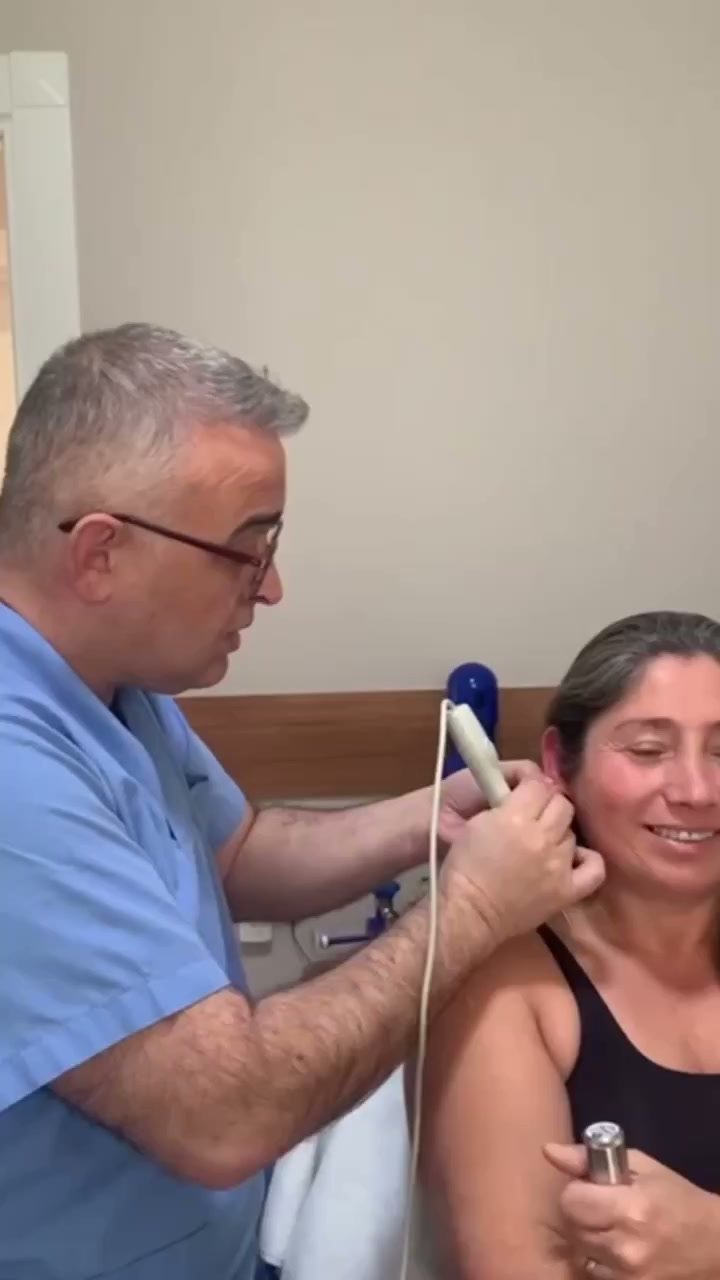
Prolotherapy, also called proliferative therapy, is a type of injection-based treatment used for chronic musculoskeletal disorders. The treatment involves repeated injections of an irritating solution into a part of the joint, for example the inside of the joint or a supporting tendon or ligament. The injected solution initiates a deliberate inflammatory process in the tissue. This increases the blood supply to the functionally weakened or dysfunctional tissue. Various cells arrive at the injection site and the repair process is initiated. Prolotherapy is an effective method for pain control.
What is Prolotherapy?
Prolotherapy is a complementary medical treatment for muscle and joint pain and injuries. With prolotherapy, a mixture of fluids is injected into damaged or dysfunctional joints, cartilage, ligaments and tendons to put these tissues in a state of reconstruction and self-repair. Prolotherapy involves injecting a natural irritant into the soft tissue of an injured joint. The injection of the irritant initiates the body's healing response. Proponents of the practice believe that prolotherapy can provide significant relief for joint or back pain.
What preparations are made before prolotherapy?
Before the appointment, your doctor evaluates the area to be treated with imaging methods such as direct radiography, magnetic resonance imaging, computed tomography scan. Then the points where the injections will be made are determined.
Before the procedure, the skin in the affected areas is cleaned with alcohol. They then apply lidocaine cream to the injection site to reduce pain. Patients who feel severe pain can be sedated if necessary.
Before prolotherapy, it is recommended to eat a meal with plenty of protein to strengthen the immune system. You may also be advised by your doctor to stop taking anti-inflammatory drugs at least three days before the appointment so that the body can build a strong immune response and respond well to the treatment. Blood thinners, which can cause bleeding tendency, can also be stopped under the supervision of a doctor for a certain period of time before the procedure.
How is prolotherapy applied?
Prolotherapy is completed in a total of 30 minutes or less, including pre-procedure preparation. After the application of local anesthesia, the affected areas are carefully injected. Immediately after the treatment, the patient rests for 10-15 minutes with the application of heat packs to the injected areas. After the heat application, the patient can return home.
How does prolotherapy work?
Prolotherapy involves injections of aqueous solutions to relieve pain in the affected joints. These injections typically contain natural substances such as dextrose or saline, in addition to a numbing agent such as lidocaine. This treatment is different from platelet-rich plasma (PRP) and steroid injections, which require stem cells from the person being treated. However, some experts consider PRP injections to be a subtype of prolotherapy.
Dextrose solution is usually preferred in prolotherapy. Dextrose is a potentially irritating solution and triggers the body's healing response. This activates repair factors in the body. This activity begins to strengthen and repair the damaged ligaments in the joint. The strengthening of the ligaments helps to stabilize the joint over time. Once the joint is better supported, the pain may disappear.
Your doctor will give the injection in one or more specific and targeted areas at the site of the injury that trigger a healing response in your body. Because this treatment stimulates tissue growth, it may not be effective in patients with long-term conditions such as Crohn's disease or chronic fatigue.
Prolotherapy usually requires several sessions of treatment to be effective at the site of injury or weakened area. One person can receive between 4 and 15 treatments per session. These sessions are completed over a period of 3 to 6 months. It is important to apply the irritant correctly to the area or areas that need repair.
What is the recovery process after prolotherapy?
Mild swelling and stiffness are common immediately after the procedure. However, these resolve quickly and most people can resume normal activities the same day or the day after. Some patients may experience bruising, discomfort, swelling and stiffness for up to a week.
Prolotherapy should never cause severe pain. Severe pain, especially when accompanied by fever, may be a sign of infection, so it is essential to seek medical attention immediately. Multiple prolotherapy treatments may be recommended to continue to stimulate new tissue growth. Some experts recommend about 3 to 6 treatment sessions, administered every four weeks.
What are the types of prolotherapy?
Prolotherapy is the injection of various substances into the body to stimulate the growth of normal cells, tissues or organs. Different prolotherapy solutions are used for injection and these are chosen according to the problem being treated. Types of prolotherapy include proinflammatory dextrose, prolozone, PRP (platelet-rich plasma) and stem cell (from bone marrow or fat) solutions.
Depending on what is being treated, the doctor may recommend various types of prolotherapy treatment. Each treatment is effective in treating pain and promoting soft tissue repair.
Dextrose solution
Dextrose is a solution that triggers the release of growth factors. Dense dextrose is therefore injected in and around the injury site. The stimulated growth factors stimulate the growth and promote the repair of tendons, ligaments and other soft tissues.
Platelet-rich plasma (PRP)
PRP stands for platelet rich plasma in English and stands for platelet rich plasma. It is a form of prolotherapy that involves the injection of platelet-rich plasma from one's own body into the injury site. Platelets are tissue repair components that secrete various growth factors. For this purpose, blood is first taken from the patient and then centrifuged. This process separates the blood plasma and concentrates the platelet content. When PRP is injected into the face, it gives a more youthful appearance and repairs scars.
Prolozone
Prolozone injections use an ozone solution. Ozone injection is often used to treat soft tissue injuries, pain in joints with arthritis, back pain and sciatica.
Stem Cell
Stem cells for prolotherapy are obtained from the patient's own bone marrow or adipose tissue. The harvested cells are specialized cells that have the potential to replace other cells in various tissue structures and stimulate healing. Bone marrow stem cells can also be used for bone repair where needed.
Which diseases are treated with Prolotherapy?
Prolotherapy is mostly used to treat injured joints and ligaments. It is most commonly applied to the back. Prolotherapy can also be used on the body areas listed below;
- Knees
- Hips
- Shoulders
- Other joints and ligaments
Some of the conditions for which prolotherapy is used;
- Sports injuries
- Back pain
- Neck pain
- Carpal tunnel syndrome
- Partially torn tendons, ligaments and cartilage
However, its treatment areas are not limited to these and it can be used for a wide range of musculoskeletal pains. In some cases, it may be preferred to relieve pain in patients with chronic conditions such as degenerative disc disease or arthritis.
Are there risks of prolotherapy?
The risks of prolotherapy are significantly lower than those of surgical treatment. Prolotherapy does not require general anesthesia or hospitalization. The recovery time is much shorter than with surgery and infection is significantly less likely.
Prolotherapy is generally considered safe.
In rare cases, infection may occur after treatment. Symptoms of infection include pain and fever. In this case, the patient is given antibiotics for treatment. Only receiving prolotherapy treatments from a trained and certified professional will minimize the risks. The biggest risk in prolotherapy treatment is nerve damage caused by an injection too close to a nerve.